
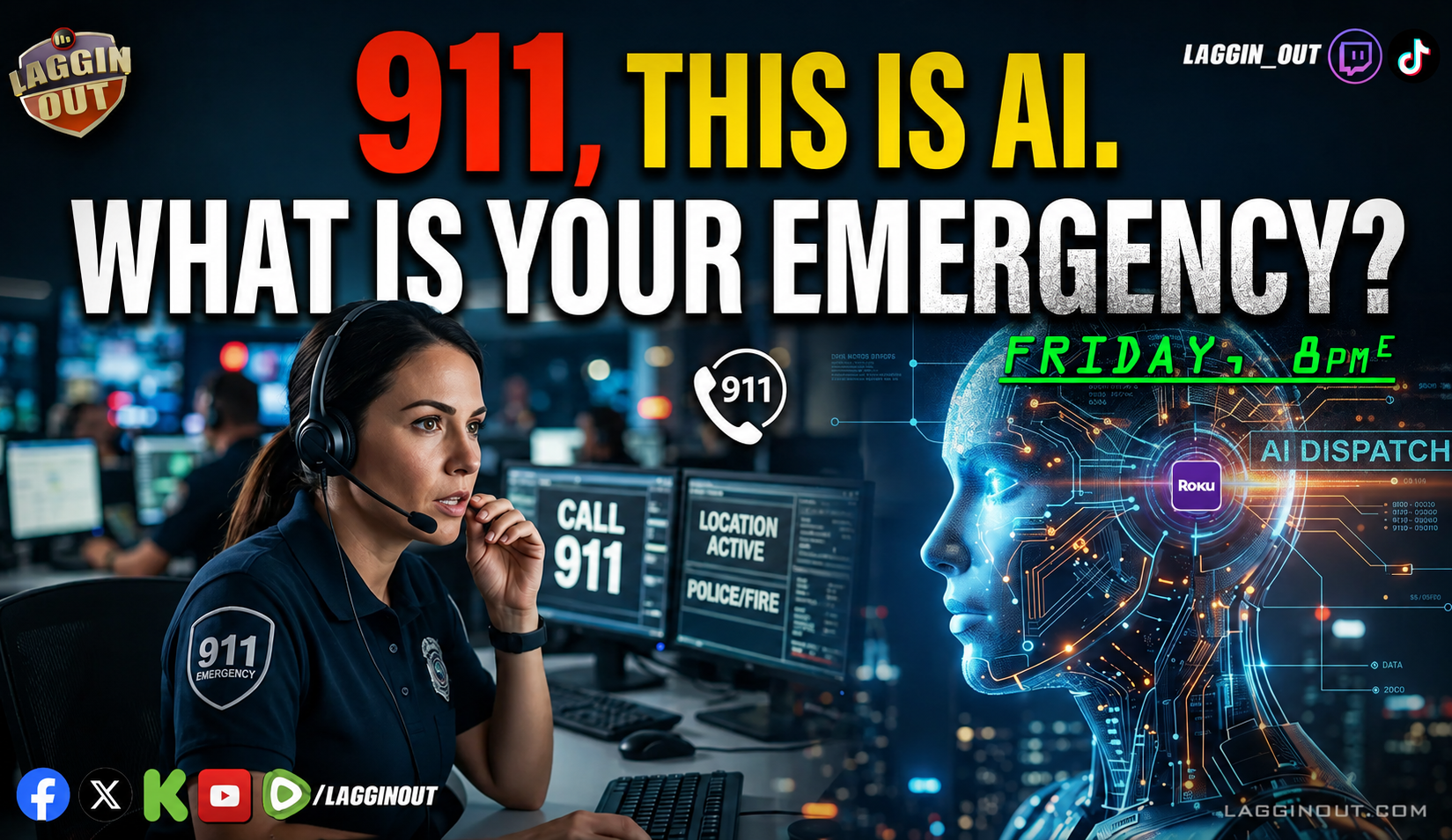
AI has taken on a whole new platform, the 911 emergency system, which raises the most obvious question: Should software be the middleman between someone in danger and a human dispatcher?
New Orleans has been experimenting with an AI-powered triage system since 2023, but the reports that it is going to broadly replace the human operators are misleading. The technology has been handling a narrow category of calls that involve previously reported motor vehicle accidents.
The system will activate only when every human agent is otherwise occupied with other calls and the new call originates within 200 meters of an already reported accident. The system asks whether the caller is reporting that same incident. Callers that come in with new information, personal involvement, or a separate emergency altogether are transferred immediately to a human.
According to the New Orleans Parish Communication District, the system is intended to reduce the number of duplicate accident reports during sudden call volume spikes. In one 90-day period, there were more than 3,500 events triaged and redundant calls were reduced by roughly 30%.
Essentially, that is very different from handing emergency dispatch to ChatGPT with a headset.
However, the concerns expressed during the show were legitimate. Emergency calls are rarely clean-cut data. A caller could be panicked, unable to speak clearly, or may be hiding their distress during a domestic incident or attempting to communicate through a cacophony of background noise and incomplete information. An AI system that confidently misreports a caller could be more dangerous than a simple failure of the software.
The distinction should be between assistance and authority. AI can be used to transcribe calls, translate other languages, recognize duplicate reports, and assist with any overload in the queues. It should not independently decide on a confusing call that requires more of a human triage.
AI can still assist dispatchers as long as there is narrow scope, more human oversight, and conservative escalation. If only used to primarily reduce staffing costs, it just turns into another experiment conducted on the public without an “undo” button.
Rest assured, AI is not replacing 911 dispatchers in New Orleans. However, it does have its foot in the door, and that warrants a lot more scrutiny before embedding it further into the infrastructure.
Other Topics Covered This Live:
- Enjoy the All New All AI Channel, on Roku
- GameStop Still Ain’t Done With Ebay
- The Giant Rat Leads the Protest Against Microsoft
Leave a Reply